9/15/2026 5:48 AM
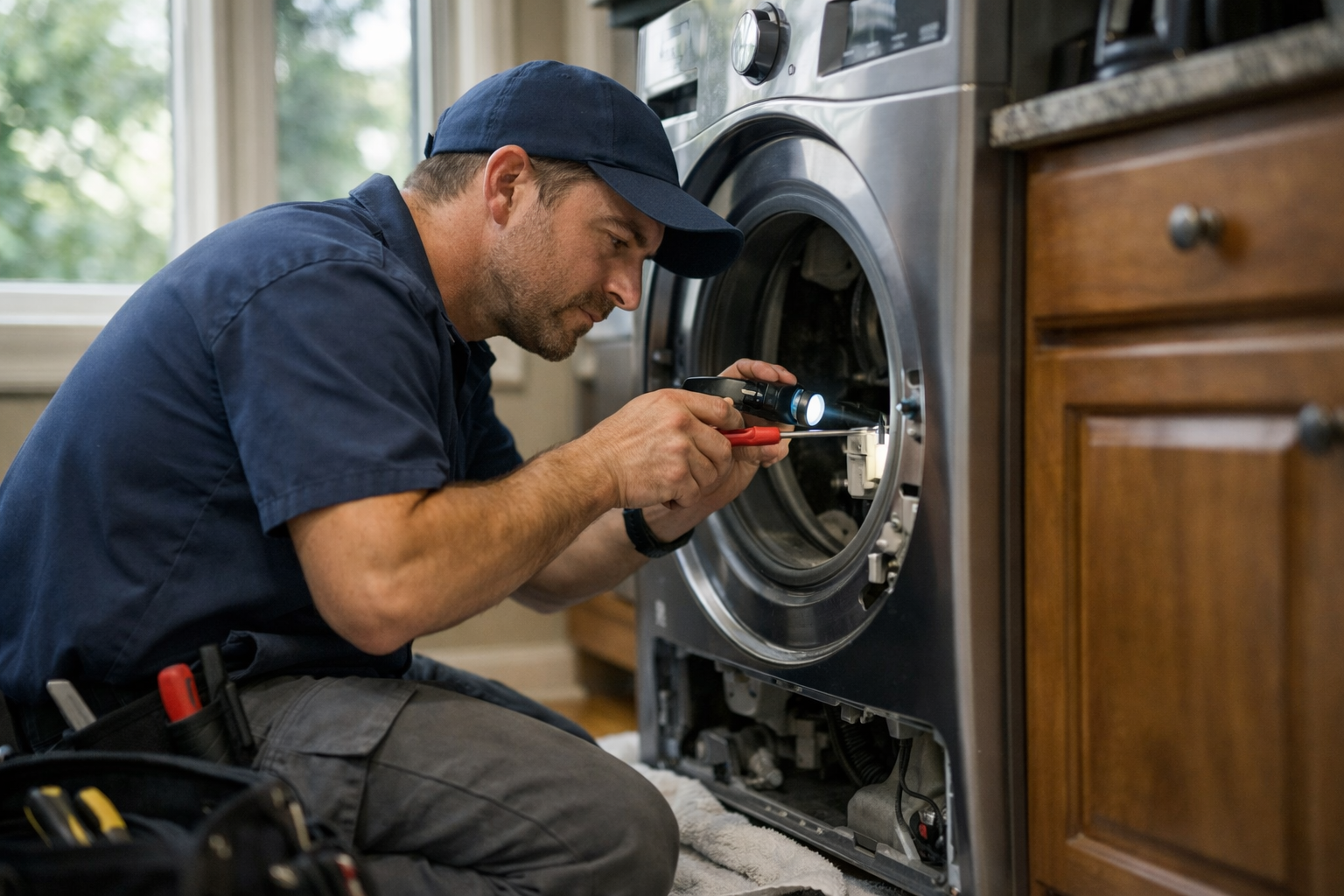
In Sacramento’s 95819 area, recent early-fall heat and heavier kitchen use after neighborhood gatherings have reminded many homeowners how much they rely on a properly working built-in microwave. When a unit suddenly stops heating, sparks, trips the breaker, or shows an error code, Buld-in Microwave Repair becomes more than a convenience—it helps keep the kitchen safe and functional without the cost of a full remodel.
Unlike a countertop model, a built-in microwave is integrated into cabinetry and ventilation space. That means problems with the door switch, control board, magnetron, turntable motor, or internal fuse should be taken seriously. One common issue is a microwave that runs but does not heat. Another is a door that won’t latch correctly, which can prevent the appliance from starting at all. In both cases, accurate diagnosis matters. Effective Buld-in Microwave Repair starts with identifying whether the failure is electrical, mechanical, or related to airflow and overheating.
The recent warm spell around East Sacramento also makes preventive care especially relevant. Built-in units need clear vents and clean surfaces to release heat properly. Grease buildup, blocked airflow, and repeated slamming of the door can shorten appliance life. A simple maintenance routine—wiping spills quickly, keeping vents unobstructed, and avoiding oversized containers—can reduce the need for emergency Buld-in Microwave Repair. These small habits help protect parts used in many major brands such as GE, Whirlpool, KitchenAid, Bosch, LG, Samsung, Frigidaire, Sharp, and Panasonic.
Homeowners often ask whether repair is worth it. In many cases, yes. If the microwave is structurally sound and the issue is limited to a switch, fuse, fan motor, or electronic component, repair can be more cost-effective than replacing a built-in model and modifying surrounding trim. Replacement becomes less attractive when cabinet fit, finish, and electrical configuration are involved. That is why timely Buld-in Microwave Repair is often the practical choice.
Safety matters most. Built-in microwaves contain high-voltage components that can remain dangerous even after unplugging. DIY work should be limited to basic exterior cleaning and checking for obvious vent blockage. If there is burning smell, arcing, loud buzzing, or inconsistent heating, professional diagnosis is the safer path. For Sacramento homeowners, staying alert after periods of heavy use and seasonal heat can help catch small microwave issues before they become expensive failures.